What Is Fascia And Soffits Replacement Near Me And Why Is Everyone Talking About It?
Soffit and Fascia Replacement Near Me Soffits are crucial to the health of your house. They protect your home from pests, rot, and mold. They also ventilate your attic. They also give your roofline an attractive look. A soffit or a fascia that is damaged should be fixed immediately. Look for signs of discoloration, or gnaw marks. Damaged or Deteriorated 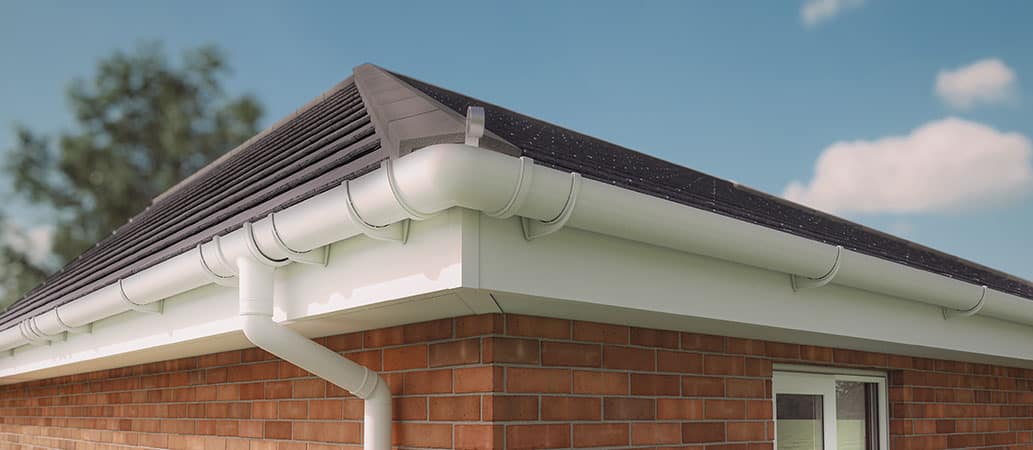 Fascia and Soffit Replacement and performance of your house's fascia are essential regardless of whether it's made of wood, aluminum or vinyl. They give a polished appearance to roof overhangs. They draw air and moisture out of the attic, and help safeguard the roofing and wood trim below it from weather damage. Over time, however they could be damaged or deteriorated which can cause issues with your home's roof and. Soffits that are damaged or degraded fascias can cause various issues, including the growth of mold and water infiltration. The damage could also weaken the structure of your roof which could compromise the structural integrity of your home. Pests and rodents can also gain access to your attic where they can cause damage or build nests. There are several professionals who can perform repairs to fascias and soffits, including gutter specialists, roofers and carpenters. When you are looking for a professional, be sure to ask about their experience and work experience. Choosing a reputable, experienced, and licensed professional is the best way to ensure that your soffit and fascia are installed and repaired correctly. Fascias and soffits do not make the best DIY projects for homeowners, as they require the use of a ladder or on the roof. The tasks can be complex, and working on a ladder is very risky. The majority of homeowners do not have the necessary tools or knowledge to accomplish these tasks. Employing a professional can help ensure that the job is done right and your fascia and soffit are able to withstand the elements for years to be. Discoloration, cracks, and gaps are all signs that your fascia and soffit require to be fixed. You should check them regularly for these problems and for insect and rot infestations. Examining your fascia and soffit can be easy, as it is usually accessible from the ground. You can also check for gnawmarks, drippings and nesting materials that are indicators of rodent and pest activity. Contact a professional right away when you spot any of these problems. Infestations Soffits and fascia help safeguard your roofline from water damage. Soffits are on the underside of a roof overhang. They function to help air the attic as well as draw moisture away from your home, and deter pests. However, just like other components of the roof, they're not immune to wear and tear or environmental problems. Soffit and the fascia are susceptible to insect infestations. If you notice any signs of trouble, it is important to fix your soffit and fascia as quickly as you can. The primary role of fascias is to shield the roof's edge from the elements and channel rainwater away from your foundation and eaves. It also assists in supporting gutter installations and acts as the anchor point for other elements like downspouts. The wood fascia can be damaged by water if there are cracks or gaps. A professional can seal the holes to stop water from entering. Infestations in fascia and soffits are typically the result of poor maintenance, but they can be caused by animal or rodent activity, exposure to weather, or physical damage. Raccoons, squirrels, birds and other pests enjoy nesting in these structures, especially if they're rotting or damp. Infestations can be caused by a lack of cleaning, like using pressure washers that are too close to the roofline. It's time to call an expert if your fascia has been plagued by mold. Mold can be toxic and cause respiratory and cardiovascular issues in the event that it is not removed completely. A professional can safely eliminate and treat mold to ensure that it does not return and cause further damage to your roofline or interior. A water-stained fascia is another indicator to arrange for an inspection. This issue is typically caused by an unventilated roof that allows humid air into the attic. When cool attic air can't escape, it tends to get trapped in the eaves, and cause mildew and moisture problems or even a roof leak. An experienced roofing contractor can help you determine if this is the case. Asbestos Soffits and flanges may appear to be basic architectural elements that provide the roof structure of your house an elegant and sleek appearance, but these important elements do more than enhance its aesthetics. These essential components of your roofline are essential for keeping your home dry and comfortable. They also aid in preventing the development of serious mould and damp damage. If your roofline is older, it may contain asbestos, a carcinogen which was widely used in homes, building materials and other products until the late 1980s. If your fascia or soffit boards are made from asbestos, it's essential to have them professionally tested before any work on the roofline is carried out. Asbestos is dangerous only when it is cut ripped, or disturbed, and the tiny inhalable fibers are released into the air. If you're worried that your soffits and fascias are made of asbestos, it's a good idea to erect temporary scaffolding to ensure the safety of any tradesperson who will be working on your roofline. This is because it's a legal duty of care to ensure that everyone working on your property is equipped with the necessary level of safety training and knowledge. Asbestos cement soffit boards can be difficult to identify since they're painted to match the rest of your property. If you do observe signs of rust or wear on the surface, or you notice that the wood is rotting or falling down, it's likely the soffit you have is made of asbestos cement. While PVC generally covers hairline cracks or flaws, asbestos-laced soffits are much more dangerous, since one single airborne fibre could cause serious health issues, such as mesothelioma, a rare form of cancer that affects the lung's lining and chest cavity. It is essential to have asbestos-laced fascias and soffits removed by experts prior to replacing your roofline. This is a difficult task that requires a thorough testing and decontamination which is why it's best left to professionals. Asbestos is a major health risk, even if it is in good working order. Therefore, it's crucial to have any damaged or worn-out trim removed and checked. Water Damage The soffit, also known as fascia, is a barrier that directs rainwater away from the roofline to the foundation. It helps with gutter installation and serves as anchor points such as downspouts. It helps prevent water damage by absorption of moisture that could cause structural issues in a home. It also helps control the humidity levels and keep warm buildings by sealing the attic. The fascia could be damaged due to a variety of causes, including mold and rotting wood. You can spot these issues by observing dark spots, discoloration or a crumbly texture on the surface of the soffit. These problems will only worsen over time and it is recommended to have them checked and repaired as soon as possible. Other indicators of a failing fascia include visible cracks or dents. They can be repaired by a professional or may need to be replaced altogether. Pest infestations can also be caused by damaged fascias or soffits. Rodents, squirrels and birds are attracted to holes or damaged areas which can be used as entry points to the eaves of a home. Once inside, they may chew through insulation and wiring and leave a trail of excrement which poses health risks to the residents. Ultimately the condition of a soffit or fascia can have a significant impact on the structure of a house and its value. A home with fascia or soffit that is prone to water damage will suffer from rotting and mold, mildew, insect infestations and other serious issues that could lead to expensive repairs and replacements. Soffit or fascias may be made from aluminum, vinyl or wood. The type of material used can influence the length of time the boards will last and how much it will cost to repair or replace them. Wood fascia boards are the least expensive, however they require regular maintenance to maintain their appearance. Aluminum, vinyl and composite soffits tend to be more durable than wood and less susceptible to weathering. However, these choices can be more expensive than the traditional wood option.